
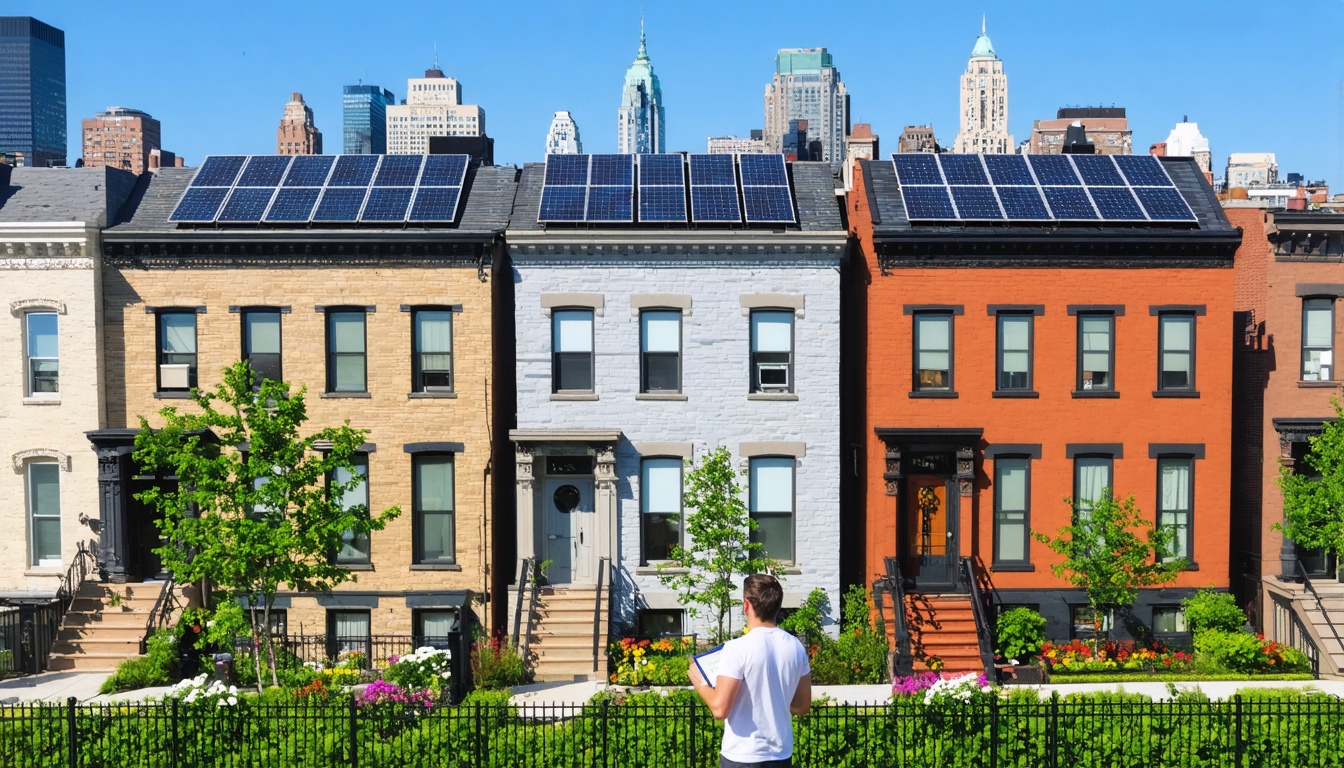
How Jersey City, New Jersey Homeowners Can Make the Most of Their Solar Potential
Jersey City, New Jersey, presents a favorable environment for homeowners considering solar energy. The region benefits from significant sunlight throughout the year, making it a viable location for solar panel installations. Additionally, there are various local and federal incentives available that can help mitigate the upfront costs associated with purchasing and installing solar panels. When contemplating solar energy, homeowners should conduct a thorough analysis of their energy needs and the potential savings. The initial investment can vary widely depending on the size and efficiency of the solar system selected, as well as installation fees. On average, residential solar panel systems can range from $15,000 to $30,000 before any incentives or tax credits are applied. It is also important to consider the return on investment. Typically, homeowners can expect to see a payback period of 5 to 15 years, depending on energy usage, system costs, and local electricity rates. After this period, the savings generated from reduced utility bills can lead to an overall increase in the property’s value, as energy-efficient homes are often more appealing to buyers. Before proceeding, homeowners should research available financing options and consult with professional solar installers to obtain quotes and evaluate system performance predictions. By understanding the costs, benefits, and any potential barriers, homeowners in Jersey City can make informed decisions about harnessing solar energy effectively.
Assessing the Cost of Solar Panels in Jersey City
When assessing the costs associated with installing solar panels in Jersey City, it is essential to consider a range of factors that influence overall pricing. The average cost for a 5 kW solar system in this region is approximately $18,500, which equates to about $3.70 per watt. Various elements affect these costs, including the size of the system, the efficiency ratings of the panels, and the intricacies involved in the installation process.
To enhance the financial viability of the investment, homeowners may benefit from comparing quotes from multiple installers, requesting free estimates, and investigating local incentive programs that could help lower overall expenses. For personalized guidance and competitive pricing, consider visiting https://solarpanelsjerseycity.com/.
Utilizing available data and resources can assist homeowners in making informed decisions regarding solar panel installations. For thorough guidance on installation options and financial implications, consumers are advised to evaluate all pertinent information carefully to identify the most appropriate solution for their situation.
This comprehensive assessment can facilitate a well-informed investment in solar technology.
Projecting Savings and Payback Timelines
The payback period for a solar panel investment in Jersey City is approximately 14.6 years for a 5 kW system. Local analysis indicates that such an installation can effectively offset an average monthly electric bill of $105.63, leading to projected savings of about $6,864 over a 20-year period.
Investing in solar panels allows homeowners to better manage energy consumption and contribute to reducing carbon emissions. Solar systems are typically measured in kilowatts (kW), providing a standard measure for capacity and energy production capabilities.
Homeowners are advised to obtain personalized quotes from multiple installers to identify the most cost-effective options. Additionally, examining available incentives or tax credits can enhance the overall financial viability of the investment.
Given that electricity rates often increase over time, homeowners may experience additional savings as their reliance on traditional energy sources decreases. This suggests that solar energy can be a practical consideration for long-term financial planning.
Determining the Optimal Solar System Size
Determining the appropriate size for a solar energy system necessitates a thorough evaluation of your home's energy consumption patterns. In Jersey City, the average residential electricity usage is approximately 573 kilowatt-hours (kWh) per month.
Based on this usage, a 5 kW solar system is commonly regarded as adequate for typical households in the area. This system typically requires around 572 square feet of roof space and can generate approximately 7,052 kWh annually.
By aligning solar panel capacity with energy consumption, homeowners can potentially mitigate the impact of rising electricity costs and achieve cost savings over time. A financial analysis suggests that these savings could amount to approximately $6,864 over a 20-year timeframe.
It is recommended that homeowners seek quotes from multiple solar installers, request free estimates, and examine relevant information, including data from utility companies and emergency management agencies, to determine the most effective installation strategy for their individual circumstances.
Exploring Financing and Payment Options
Exploring financing and payment options for solar investments is integral to maximizing financial benefits. In Jersey City, the outright purchase of solar panels often yields the most favorable long-term savings and lower costs per kilowatt due to rising electricity rates.
While solar loans provide a degree of flexibility, it is crucial to evaluate installer pricing, interest rates, and available local incentives simultaneously to optimize potential returns.
Power Purchase Agreements (PPAs) or leasing arrangements may necessitate lower upfront costs; however, the financial returns over time may not be as beneficial as those associated with outright purchases.
To facilitate informed decisions, using resources such as DataUtilitiesLinemenEmergency or the Prep Guide can assist in comparing quotes from various installers and determining the optimal system size for a specific residence.
Key Factors Influencing Solar Installation Costs
Several factors influence the overall cost of installing solar panels on residential properties in Jersey City. The average expense for a 5 kW solar system is approximately $18,500, which equates to approximately $3.70 per watt.
However, costs can vary according to several determinants, including the size of the system, the type of solar panels chosen, and the specifics of the roof on which the panels will be installed.
The inclusion of battery storage for enhanced power reliability during outages can further increase installation costs.
It is also pertinent to consider the pricing practices of local installers, which can vary significantly. Resources such as Home Prep Guide and expert contributions can provide homeowners with valuable data to assist in making informed decisions regarding their solar investments.
To achieve the best financial outcome, homeowners are encouraged to obtain free estimates from multiple installers and compare pricing. This practice can aid in identifying the most appropriate solar system and the potential savings related to the installation.
Navigating Local Regulations and Incentives
Before proceeding with a solar installation in Jersey City, homeowners should thoroughly understand the relevant regulations and incentives. New Jersey offers a Clean Energy Program and net metering policies, which can help reduce electricity costs and provide credits for the energy produced. These credits are generally calculated on a per kilowatt (kW) basis and may prove advantageous, especially during power outages.
When evaluating solar systems, it is important to assess factors such as panel size and installed capacity, as these components can significantly affect overall costs. Homeowners are encouraged to review available data and preparatory guides to develop an accurate price estimate.
Additionally, researching local ordinances, homeowners' association (HOA) regulations, and necessary permitting requirements is crucial, as these elements can influence the installation process.
Conducting a cost comparison among various installers is essential. By obtaining detailed quotes, homeowners can make informed decisions based on competitive pricing, interest rates, financing options, and available tax credits.
This methodical evaluation may lead to improved long-term financial outcomes associated with solar energy investments.
Conclusion
Understanding your home's solar potential and the available incentives in Jersey City can facilitate informed decision-making regarding solar installation. The financial advantages associated with solar energy can be significant, particularly in terms of reduced energy bills and potential increases in property value. Jersey City residents have access to various solar system options that can cater to different energy needs and preferences. The maintenance required for solar systems is generally minimal, contributing to their appeal. Additionally, solar energy systems offer benefits that extend beyond the individual homeowner, including positive impacts on the community and the environment. To maximize the benefits of solar energy in Jersey City, it is advisable to conduct thorough research, compare financing options, and consult with professionals in the field. This careful approach can help homeowners effectively leverage the solar opportunities available in their area.